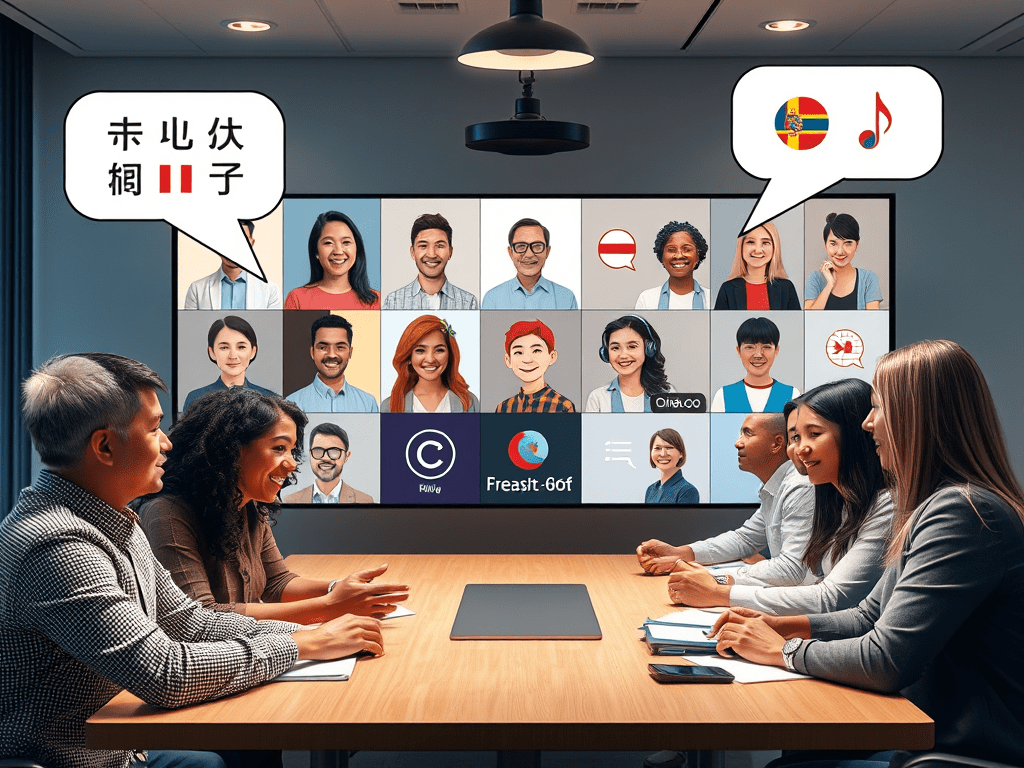
Microsoft Teams is set to introduce a voice cloning feature that will allow users to replicate their voices for meetings, starting in early 2025. This innovative functionality aims to enhance communication by enabling real-time translation in up to nine different languages, making it easier for participants from diverse linguistic backgrounds to engage in discussions seamlessly.
The voice cloning capability will allow users to create a digital version of their own voice, which can then be used to communicate in meetings. This feature is particularly beneficial for international teams, as it will facilitate clearer communication and understanding among members who speak different languages. The technology behind this feature is expected to leverage advanced AI algorithms to ensure that the cloned voice closely resembles the original, maintaining the speaker’s unique tone and inflection.
In addition to voice cloning, Microsoft is also working on other enhancements for Teams, including intelligent video framing and improved audio quality, which will further enrich the virtual meeting experience. These updates are part of Microsoft’s broader strategy to integrate AI capabilities into its suite of productivity tools, aiming to improve collaboration and efficiency in remote work environments .
Overall, the introduction of voice cloning in Microsoft Teams represents a significant advancement in virtual communication technology, promising to break down language barriers and foster more inclusive interactions in global teams.
How Voice Cloning Works
The voice cloning capability will enable users to create a digital version of their own voice. This process typically involves advanced AI algorithms that analyze the user’s voice to capture its unique tone, pitch, and inflection. Once the voice model is created, it can be used to communicate in meetings, allowing users to speak in their cloned voice while translating their speech into different languages in real-time.
Technical Implementation
The technology behind this feature is expected to leverage Microsoft’s AI capabilities, particularly through its Azure AI Speech services. These services include speech recognition, text-to-speech, and speech translation, which are essential for creating a seamless voice cloning experience. Users will likely need to record samples of their voice, which will be processed to develop a custom neural voice model that closely resembles their original voice.
Benefits of Voice Cloning
The introduction of voice cloning in Microsoft Teams represents a significant advancement in virtual communication technology. It promises to break down language barriers, making it easier for international teams to collaborate effectively. By allowing users to communicate in their own voice while speaking different languages, the feature aims to foster more inclusive interactions in global teams.
Is voice cloning safe for Microsoft Teams users?
The safety of voice cloning for Microsoft Teams users is a significant concern, particularly given the sensitive nature of voice data and the potential for misuse. Microsoft has indicated that it is implementing robust security measures to protect user data during the voice cloning process. This includes ensuring that the voice models created are securely stored and managed, which is crucial for maintaining user privacy and preventing unauthorized access to cloned voices.
Data Privacy and Security Measures
Microsoft is expected to leverage its existing security frameworks to safeguard the voice cloning feature. This includes encryption of voice data and strict access controls to ensure that only authorized users can create and use voice clones. Additionally, the company is likely to provide users with clear guidelines on how their voice data will be used and stored, which is essential for transparency.
Potential Risks
Despite these measures, there are inherent risks associated with voice cloning technology. The possibility of voice impersonation raises concerns about identity theft and fraud. If a malicious actor gains access to a user’s voice model, they could potentially use it to deceive others, leading to serious security breaches. Therefore, it is crucial for users to be aware of these risks and to take necessary precautions, such as monitoring their accounts for any unauthorized use of their voice.
Conclusion
In summary, while Microsoft is taking steps to ensure the safety and security of voice cloning in Teams, users should remain vigilant about the potential risks associated with this technology. Understanding how voice data is handled and implementing personal security measures will be key to mitigating these risks.
What are the security measures for voice cloning in Microsoft Teams?
Microsoft is implementing several security measures to protect users during the voice cloning process in Microsoft Teams, particularly as this feature is set to be introduced in 2025. These measures are crucial given the potential risks associated with voice cloning technology, such as identity theft and fraud.
Data Protection and Security Framework
To safeguard user data, Microsoft is expected to utilize its existing security frameworks, which include robust encryption protocols for voice data. This encryption ensures that voice models created during the cloning process are securely stored and managed, minimizing the risk of unauthorized access. Additionally, strict access controls will be enforced, allowing only authorized users to create and utilize voice clones.
User Guidelines and Transparency
Microsoft aims to provide clear guidelines regarding how voice data will be used and stored. This transparency is essential for building user trust and ensuring that individuals are aware of their rights concerning their voice data. By informing users about the handling of their data, Microsoft seeks to mitigate concerns related to privacy and misuse 7 4.
Mitigating Risks of Voice Impersonation
Despite the security measures in place, the inherent risks of voice cloning technology cannot be overlooked. The potential for voice impersonation poses significant threats, as malicious actors could exploit cloned voices for deceptive purposes. To counteract this, Microsoft is likely to encourage users to adopt personal security practices, such as monitoring their accounts for any unauthorized use of their voice.
Conclusion
In summary, Microsoft is taking proactive steps to ensure the security of voice cloning in Teams by implementing encryption, access controls, and user guidelines. However, users must remain vigilant about the potential risks associated with this technology and take necessary precautions to protect their identities
Glossary
Voice Cloning : Voice cloning is the process of creating a computer-generated replica of a person’s voice using advanced algorithms and AI technology.
Definition : The process of creating a computer-generated replica of someone’s voice.
Technology Used : Advanced algorithms and artificial intelligence.
Applications : Text-to-speech, speech synthesis, personalized voiceovers.
Key Features : Can clone voices from short audio samples, supports multiple languages.
Notable Tools : ElevenLabs, Resemble AI, CorentinJ/Real-Time-Voice-Cloning.
 Let's Learn Microsoft
Interesting !!
LikeLike